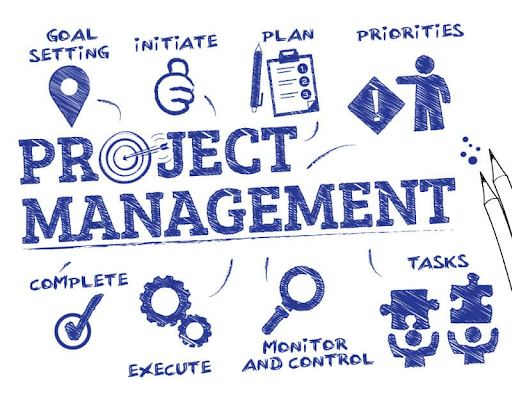
Service-based Project Management

The cost of mobile app development services can vary greatly between countries. Countries such as India, Bangladesh, Pakistan, and the Philippines have among the lowest development costs, while the United States and the United Kingdom have the highest. The reason for this is simple – the cost of human resources in each country.

Although development costs in countries such as India, Bangladesh, and Pakistan may appear to be very lucrative for founders at first, they can pose a number of challenges in the future. In this blog, we will discuss briefly the challenges and risks that you may face when working with a low-cost offshore development company, as well as ways to mitigate those risks.

Because of the increased global penetration of the internet and smartphones, the mobile application development industry has grown rapidly in recent years. Today, approximately 6.648 billion people worldwide use smartphones, accounting for 83.72% of the total population. Countries such as India, Bangladesh, the Philippines, and Pakistan have responded to this rising demand by providing more affordable and cost-effective mobile app development services. There are approximately 32,000 IT companies in India, 4,500 in Bangladesh, and 2,350 in Pakistan. These figures are rapidly increasing due to rising demand, but companies and founders around the world are facing several challenges:

1. Price variations: It is almost certain that if you go with a low-cost vendor for your mobile app development services, the final costs will be much higher than the initially agreed-upon prices. One of the primary causes of this increase is the lack of a clear Scope of Work (SoW) document that lists each and every feature that must be built into the application. Low-cost vendors typically keep the SoW very vague because most founders are non-technical, allowing them to cash in once the project is halfway completed, leaving you with no option to question or change the vendor. Most founders have also noticed that the cost of variation quoted by cheaper vendors is significantly higher than the initial rates offered to hook you in at the start.

2. Low code quality: Hiring newbie/inexperienced software developers is the main strategy that low-cost vendors use to keep operational costs low. Less experienced software developers fresh out of university are very cheap, which means they are most likely learning to code on your project. This implies that the code quality is most likely very low, which may result in a higher number of bugs and issues once the project is launched. Most founders prefer to hand over the code after development so that the project can be maintained in-house. A low code quality would make managing the project extremely difficult for your in-house team. You would have to devote a significant amount of time and effort to improve the code’s quality, which would add to the project’s costs.

3. Project delivery delays: Having a vague SoW combined with inexperienced developers working on your project can only result in one thing – project delivery delays!!!

It is also important to consider macrotrends in these low-cost developing countries. Opportunities for software developers abound due to the low cost of hiring resources and the high demand for software development. This leads to a very high employee churn rate, in which employees leave their company after gaining some experience to join other firms that offer a slightly better package. Employee turnover in the Indian software industry typically ranges between 15 and 30%, with employees leaving for short periods of time. This is an important consideration because high employee attrition rates may result in multiple developers working on the same project, resulting in a lot of wasted time in knowledge transfer and, ultimately, extended project timelines.

4. Communication gaps: The majority of countries with a cost advantage due to lower human capital are not native English-speaking countries. The issue here is a lack of effective communication between yourself and the vendor, which may result in increased costs, a longer project timeline, and, most importantly, wasted time and effort.

5. Poor testing: Several founders have reported that the quality of mobile apps delivered by low-cost mobile app development vendors is poor, as they contain numerous bugs and inconsistencies that are only discovered after the app has been delivered. To cut costs, most low-cost mobile app development vendors invest very little in test engineers. In order to control costs, they assign additional responsibility to their developers to test the apps. This has a significant impact on project quality because developers do not have enough time to thoroughly test their code due to project deadlines. As a result, you will receive a very poor app and will have to spend your time testing the apps or invest in resources to have the apps tested to ensure the quality of your project.

6. Code handover risks: Most cheap mobile app development companies are hesitant to transfer the final code and credentials with you after project completion (although they might have committed to do so prior to project award). This is to ensure that you are not looking for other vendors to take over the project or develop it in-house for all future features and versions. They would not refuse to transfer the code to you, but they would provide very little to no assistance in understanding their work. Lack of proper documentation exacerbates the problem by making it difficult for a new team to learn the project, making the code handover process even more tedious.

Another factor to consider is the payment terms of offshore vendors, as they typically demand full payment prior to code handover, giving you less bargaining power when considering hiring them.

Another challenge with code handover is the code itself, as you would need to have relevant resources (iOS, Android, Backend, and Front-end developers) on hand to check and ensure that the most recent work is committed or handed over to you.

7. Inadequate after-sales support: It is expected that you will receive timely feedback and resolution to your questions or app fixes while the project is in development and within the warranty period. Most low-cost vendors provide very little aftersales support because it is an additional cost that they prefer to avoid. If bugs or issues are not addressed quickly, your customers may have a negative user experience. Most low-cost vendors are hesitant to offer long-term maintenance contracts because it is more profitable for them to devote their resources to new projects. This may result in your project being left hanging after launch, which is an important factor to consider when selecting your software development partner.

8. Poor business ethics: It is important to note that low-cost mobile app development vendors are likely to have poor business ethics. This could lead to a series of unpleasant encounters throughout the project’s development life cycle. This is also important to consider when choosing a vendor because you will be revealing your business idea to them, which poses a risk post-development because they may use the developed code for other projects or customers.

9. Lack of Cloud Competence: Because cloud architects are expensive resources, cheap mobile app development vendors are unlikely to have one at their disposal. Most projects require cloud expertise because it determines the scalability and performance of the mobile application. Furthermore, the cloud architect is responsible for configuring the cloud’s security features to ensure that the apps and backend are secure from hackers.

What exactly is a Scope of Work document, and why is it required?

A variety of documents are required when performing any type of service for a client. It is critical that you take your time and determine which steps are most critical to your project. One such item is the scope of work document.

When you begin your project journey, it is critical to have proper documentation for every aspect of your startup. This proves to be a critical component of the business at all times. It also allows you to keep track of your workflow.

When you collaborate with other people, it is easy for miscommunication or assumptions to derail the project, which is one of the main reasons why the scope of work is so important!

What is the definition of a Scope of Work document?

The Scope of Work agreement, also known as the SOW, is a document that details everything from work details to schedules, terms, and expected outcomes and is referred to by all parties involved in the project. Not only that, but it also saves you from unnecessary feature additions and extends your project’s timeline beyond what was originally promised.

Consider the scope of work document to be a road map that will lead you to the completion of any project, from website redesign to mobile app development.

What information is contained in/provided by this document?

The SoW is essentially a document that covers a work agreement between two parties known as the Client (You) and the Contractor/Vendor (Company you’re working with). SoW is essentially required to ensure that both parties’ expectations are clear and agreed upon. Having said that, there are some sections that are commonly found in this document, such as:

  • Timetables and key milestones
  •  The project’s objectives
  • Items to be delivered
  • Individual responsibilities
  • Outcomes to be expected
  • The terms and conditions
  • Payment arrangements

Why is it necessary to create this document?

When working on a project, you must ensure that everyone is on the same page and that a proper layout is created that can be analyzed and reviewed by the client.

The scope of work document is an excellent resource for a website and mobile app development company. It not only serves as the main document to follow throughout the journey, but it also assists you in avoiding some of the most common pitfalls, such as miscommunication, scope disputes, misinterpreting expectations, and the need for re-work.

The steps for developing the SoW (Scope of Work)

Now that you have a basic understanding of a scope of work and its purpose, let’s take a look at the basic outline of what it should include.

The project is introduced in this section.

Before delving into the specifics of the project, it is critical to receive an introduction to the project, as this provides all parties involved with a brief on the project goals. It also helps you understand what the development process is supposed to achieve

Overview of the company

Describe the business venture and why this project is being completed. A basic explanation of the project, the idea, business objectives, and expected outcomes are just a few examples.

Details about the user journey

Outline a high-level but straightforward explanation of the customer journey that the mobile app must provide. This would help to set the tone for the design and development team, who would then incorporate relevant designs and features into the mobile application.

Features of a mobile app/website

This section should highlight the most important features of your mobile app or website. These are not specific deliverables but must include an overview of major features that would be required in the mobile app or website, which the app development team can then break down into specific deliverables.

Theme for design

Designing a website or mobile application can also be a difficult task. It may be necessary to return to the specifics several times. The designs must be relevant to the business idea, user journey, and target audience, as well as address issues such as customer retention, ease of conversion, and so on.

This is something you should talk about with the development team. If you have a design in mind, make sure to notify the development team so that it can be taken into account.

Budget and Timetable

Finally, the project’s budget and timeline will be critical factors in this process. It is critical to define this correctly because the budget is dependent on the timeline and vice versa. Keep in mind that any changes to the SOW could affect the project’s timeline and overall cost.

How can an experienced company assist with the creation of an SoW?

Using the services of an experienced software development company with expertise in business digital transformation can have a significant impact on project quality and delivery. Your goal should be to find a company that has the right team and work ethics. Not only that, but the company’s experience helps with the creation of the scope document, which highlights the schedule, features, budget, and objectives, among other things.

Identifying and selecting an experienced software development company should be based primarily on one key process, namely communication! You’d want a partner who is reliable, proactive, and truthful. You should also consider the company’s technical stack, specialities, and capabilities.

Finally, some thoughts

When you are looking to begin any kind of software or mobile app development process, there are many things that must be defined. Keeping it brief, documenting it early on, enlisting the assistance of a technical writer, and being clear on what the project should or should not include are some key points that can make a difference.

The Scope of Work document lays the groundwork for any application development process.

Idea Validation & Funding your app

Website and mobile app development are more competitive than it has ever been. Regardless of how cool your mobile app logo or website is, you are unlikely to succeed if you do not validate your business idea before launching a startup/company. Those looking for dependable solutions require more options than ever before.

According to statistics, 42% of startups fail due to a lack of market demand for their products, apps, or services.

It’s simple to become engrossed in your thoughts. Most entrepreneurs who fail to validate their ideas, on the other hand, see their startup dreams crumble. In order to invest in optimal strategies, you must be more precise than ever. Validating any idea before investing in its implementation results in an optimal strategy. This is essential before hiring any app development company.

What is Idea Validation?

Simply put, validation is the process of testing ideas to see if they are viable. Businesses can avoid wasting time and money on ideas that may or may not be profitable by taking this approach. However, having your ideas validated saves you a lot of pain after you launch your app.

This is one of the reasons why idea validation is such an important step in the development of a mobile app. This is to ensure that you have enough confidence in the success of your mobile app investment.

Pokémon Go is an excellent example of a well-validated idea prior to launch. At the height of its popularity, over 150 million people were playing Pokémon Go at the same time, with over one billion downloads. Uber, Candy Crush, and Angry Birds are just a few of the popular apps that have seen similar results after going through the idea validation process.

How to validate your ideas

Everyone wants their ideas to be loved, but only a small percentage of those ideas are worthy of implementation. To determine whether an idea has a chance of succeeding, it must be validated. As a result, several factors must be considered in order to validate ideas. The following are some of the most important and well-practised steps to achieving the best results.

1) Conducting market research

For many different reasons, this is the heart of the entire idea validation process, and it is important to remember that marketing research is detailed as a process. It is not only necessary to collect data on the target demographics, but also on customer demands and how they seek information to influence their decisions. It also entails researching competitor information in order to achieve the desired results.

2) Preparing proto personas

Proto personas serve as a starting point for developing the best target audience for a particular product or service. This is a brainstorming session to determine who will use the product(s) or service(s) you are offering. The question “What needs does our target audience have?” guides the development of proto personas.

3) Creating a Customer Journey Map (CJM)

The Customer Journey Map illustrates the various types of relationships that people can have with brands. This analytical method allows a company to gain a better understanding of how a potential customer will behave and interact with its products and services. This information can assist business owners in improving their approach and achieving a better outcome.

4) Conducting user interviews

User interviews can also provide a wealth of information by providing a great level of insightful information. Knowing what questions to ask will be extremely important in this process, and it will make them far more reliable. With all of the analytics tools available, the best way to learn what users want is to talk to them directly.

5) Creating and testing paper or digital prototypes

You can create a digital or paper prototype (Minimal Viable Product – MVP) to get a better idea of how the project should look once completed. They both have advantages and disadvantages, so it all depends on the project’s scope, timeframe, and structure. Prototypes allow you to test the flow of a design and get a better idea of how an app will look before it is finished.

6) Using the Design Sprint

This procedure should be followed in order to reduce the overall risks associated with the deployment of a new product. It is a very useful strategy that many businesses use. Design sprints have been especially useful in overcoming major challenges, whether when developing new products or improving existing ones. It is not always possible, but it is a good idea to have the option.

7) Identify and analyze existing apps

Identifying and analyzing existing apps has always been a useful and efficient strategy for validating ideas. This provides a trustworthy and insightful viewpoint that will assist you in developing a superior application.

Funding for your application

Many people decide to seek funding for their application in order to see their project through to completion. This strategy is frequently accompanied by additional responsibilities. Not only that, but investors may complicate the process by expecting some sort of involvement. You could select one of the funding options listed below:

1) Self-funding – Invest with your co-founders

Who better to look for funding than yourself, if at all possible? It is sometimes preferable to fund your app yourself, along with all other parties involved in the project. This is unquestionably a riskier option, but the benefit is that you do not have to deal with any third parties.

2) Crowdfunding campaign setup

Over the years, the process of requesting crowdfunding for mobile app development has grown in popularity. The fact that business owners obtain funding in this manner is based on the promise of a dependable outcome and appealing benefits for all supporters.

3) Angel Investors and Partners

Consider the millionaire who funds the excavation sites for the palaeontologists in the film Jurassic Park. That is exactly what an angel investor is! A wealthy individual who believes your project is worthwhile and is willing to take the risk.

4) Business Loans 

Obtaining a business loan may be the best option for funding a project. There are numerous types of business loans to consider for funding, each with advantages and disadvantages.

Importance of hiring an experienced mobile app development company

The idea validation process is critical for any company that wants to get the most out of its investment. This is why it is critical to find a website and/or mobile app development company that can assist you in giving shape to this process in order for the project to move forward.

Final thoughts

You can begin this process and ensure the success of your website and/or mobile app development idea now that you have a better understanding of the idea validation strategies. This is one of the most useful strategies, and it is worthwhile to devote time to implementing and analyzing the collected data.